


Structural Analysis of the Aroma Compounds in the Chinese cabbage by Gas Chromatography Olfactometry Time-of-Flight Mass Spectrometry
MSTips No. 516
Introduction
Aroma components in food, or “odor,” are key factors that influence palatability. These components include highly volatile compounds such as terpenes, esters, and alcohols, which combine in complex ways to create what we perceive as “aroma.” Aroma is not derived from a single compound but is a composite of numerous interacting substances, and their composition and concentration ratios determine the quality and uniqueness of food. Evaluating aroma components requires both sensory and chemical approaches. Gas chromatography-olfactometry (GC-O) is widely used for sensory evaluation of odor, while gas chromatography-mass spectrometry (GC-MS) is commonly employed for qualitative chemical analysis. Combining these techniques enables comprehensive understanding of food aroma, including sensory evaluation and detailed chemical profiling of unknown compound. GC-MS is extensively used for qualitative analysis of aroma and off-flavor compounds in food. Identification of aroma components by GC-MS typically relies on commercial mass spectral databases such as NIST. However, determining unknown aroma compounds that are not registered in these databases using GC-MS data alone has been challenging. In such cases, integrated analysis using a high-resolution time-of-flight mass spectrometer (TOFMS) combined with electron ionization (EI) and soft ionization methods allows determination of molecular formulas even for unknown substances. Furthermore, by employing msFineAnalysis AI, an automated structural analysis software equipped with a comprehensive structure prediction algorithm based on deep learning for mass spectral interpretation, it is possible to rapidly estimate structural formulas of unknown compounds. In this MSTips, we report the results of analyzing aroma components in pickled Chinese cabbage using headspace solid-phase microextraction (HS-SPME) combined with GC-O-TOFMS, followed by integrated analysis using msFineAnalysis AI.
Experiment
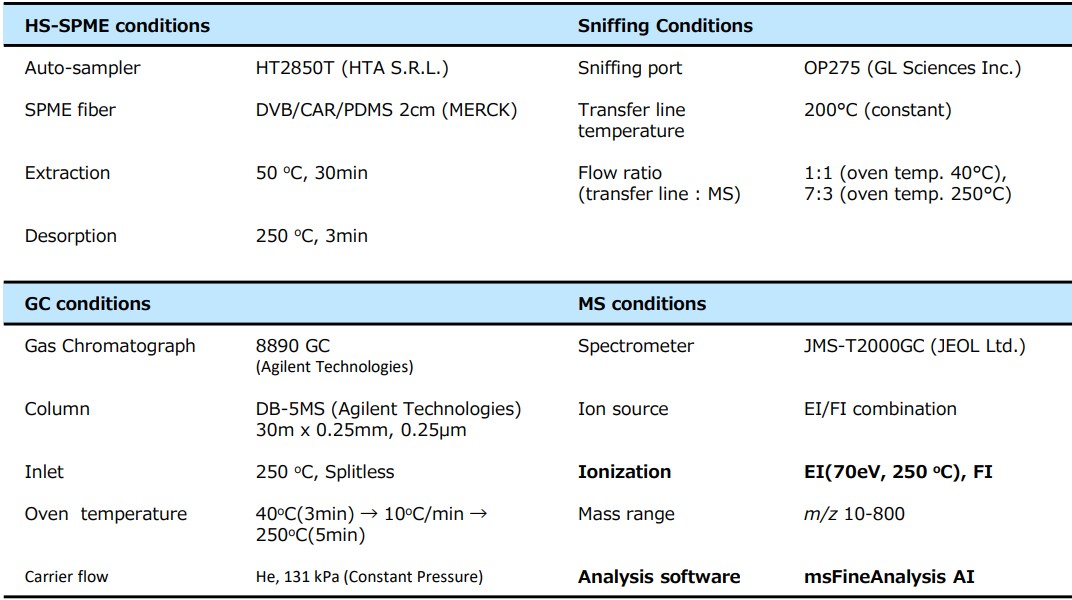
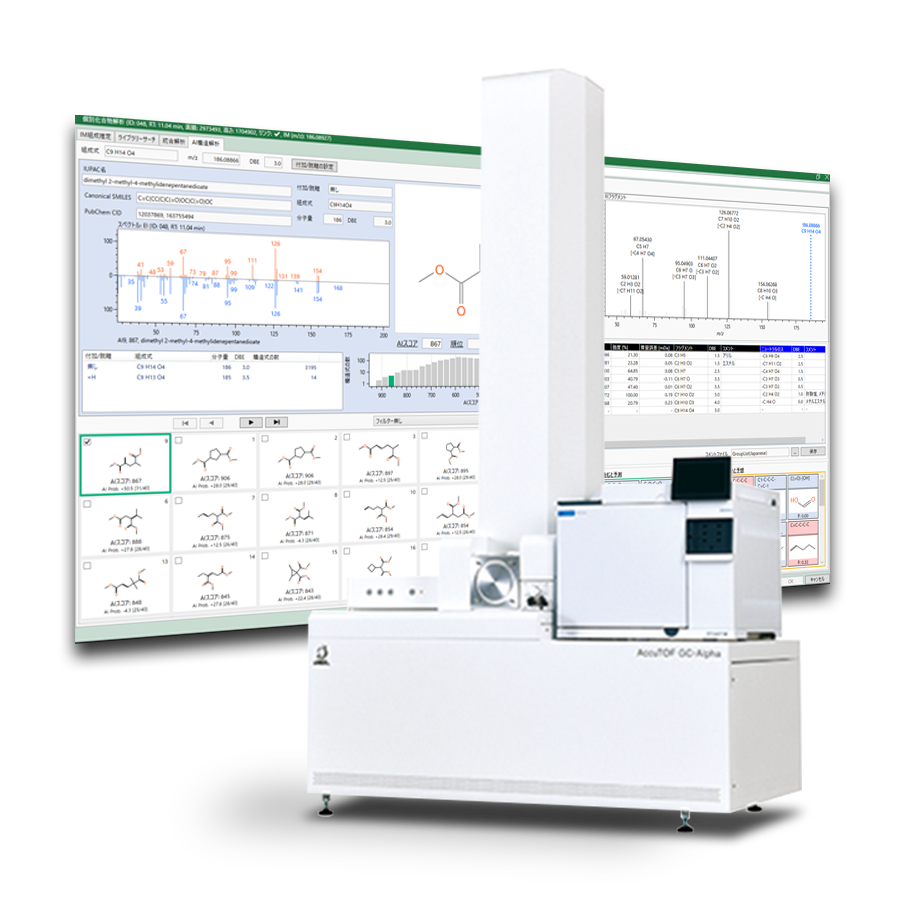
Commercial pickled Chinese cabbage was used as the sample. The cabbage was finely chopped, and 5 g was placed in a 20 mL headspace vial. An autosampler HT2850T (HTA) in SPME mode was used for sample preparation, targeting volatile compounds in the headspace. For measurements, an olfactometry system OP275 Pro (GL Sciences) and GC-TOFMS JMS-T2000GC AccuTOF™ GC-Alpha (JEOL, Figure 2) were employed. Olfactometry was performed by two panelists, each conducting two evaluations. The MS ion source was an EI/FI dual-source, and both EI and FI (soft ionization) methods were applied. GC-MS data were analyzed using msFineAnalysis AI. Detailed measurement conditions are shown in Table 1.
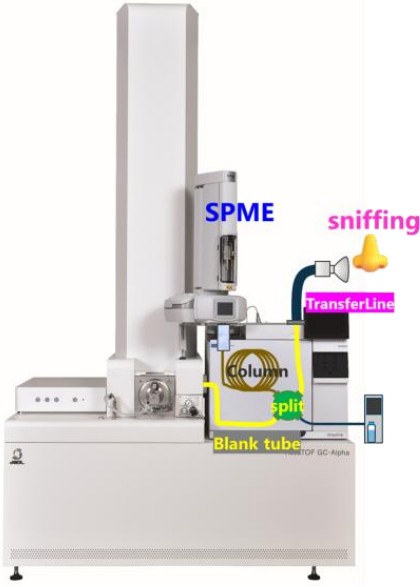
Figure 1 JMS-T2000GC with HT2850T autosampler and schematic diagram of sniffing
Table 1 Measurement condition
Results and Discussion
A total of 25 major components were detected. Figure 2 shows the total ion current chromatogram (TICC) obtained using EI/FI methods and the results of integrated analysis for four prominent components (a–d) identified on the TICC. Based on NIST database (DB) searches, components a, c, and d were estimated to be isothiocyanate compounds commonly found in Brassicaceae vegetables: 3-Butenyl isothiocyanate (MF: 953), 2-Phenylethyl isothiocyanate (MF: 949), and 5-Methylthiopentyl isothiocyanate (MF: 987).For component b, high-resolution mass analysis indicated a molecular formula of C₆H₉NS. However, the top hit in the NIST DB search, Cyclopentyl isothiocyanate [C₆H₉NS], although matching the molecular formula, showed a low similarity score of 632. Moreover, while the candidate compound exhibited an M⁺· peak, the observed EI spectrum strongly indicated [M–H]⁺, suggesting that the compound was not the candidate and was likely an unknown substance not registered in the NIST DB (Figure 3).
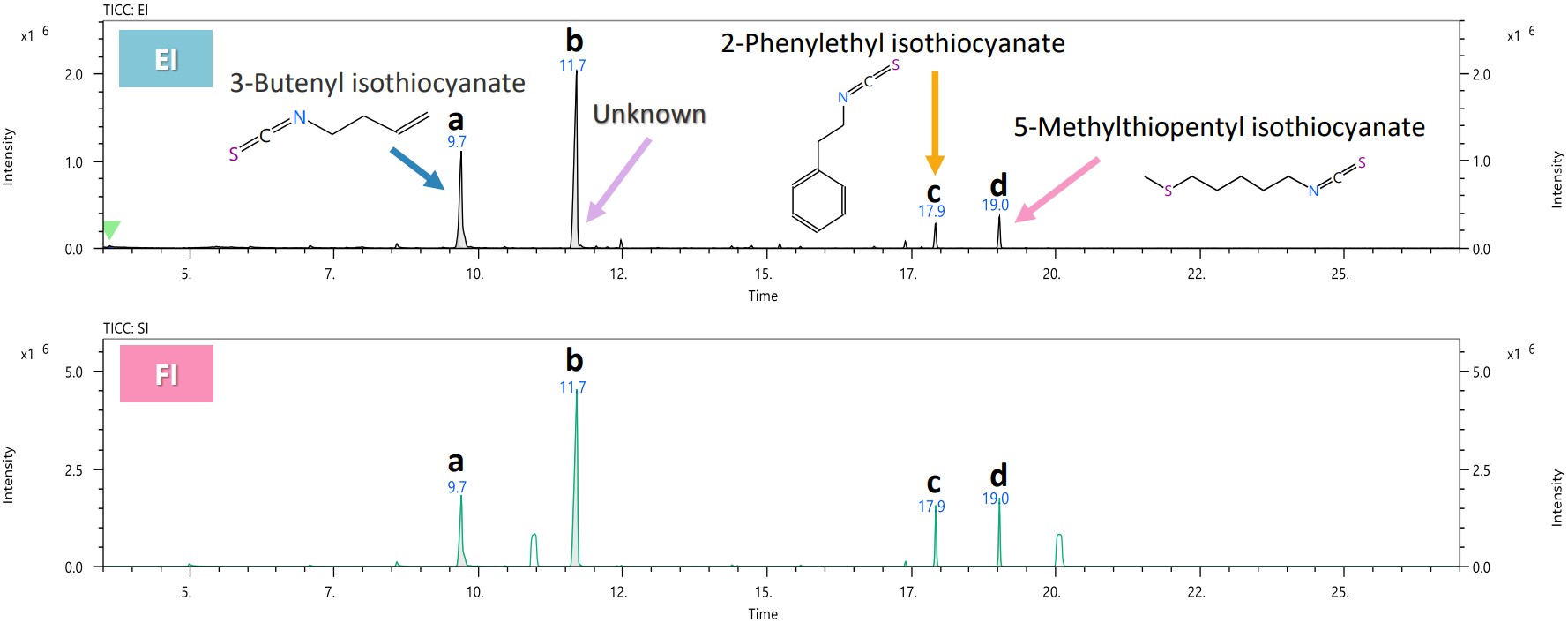
Figure 2 Measurement results of pickled Chinese cabbage: TIC chromatogram
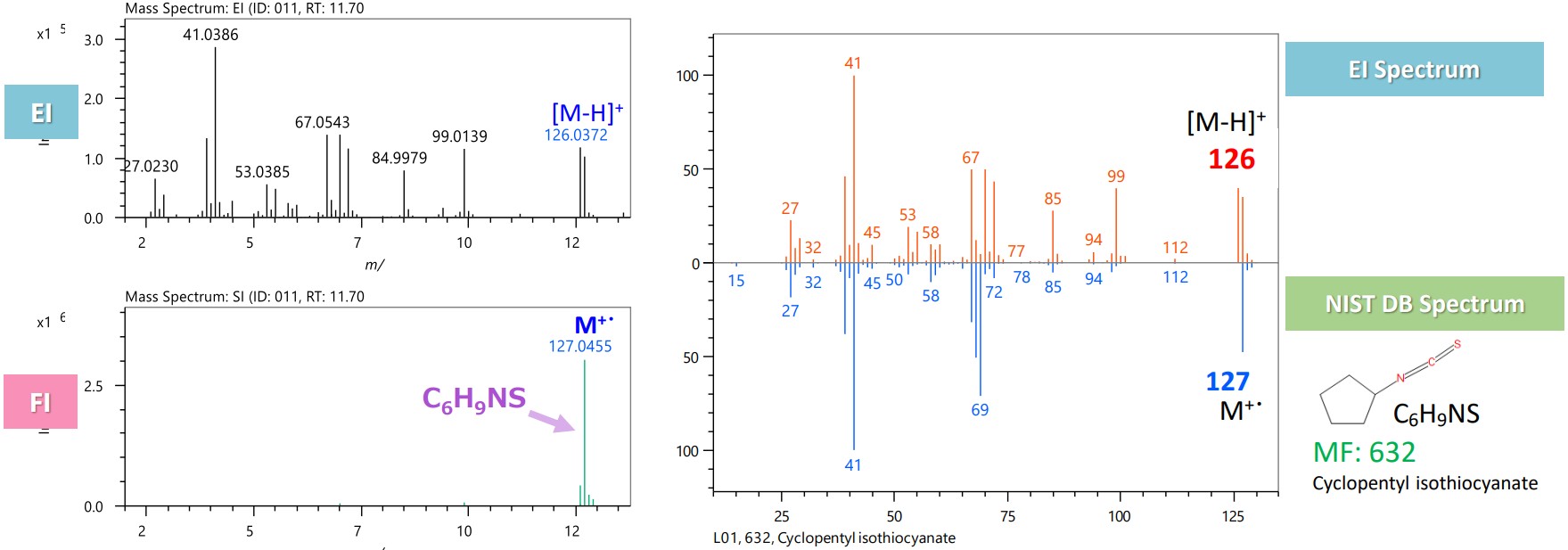
Figure 3 Comparison of the mass spectrum of compound B with that of the NIST DB search results
Components a, c, and d contained an isothiocyanate functional group, and although component b had a low similarity score, the top candidate also possessed the same functional group. Therefore, it was inferred that component b likely contains an isothiocyanate moiety. Using msFineAnalysis AI, structural formulas were derived through AI-based structural analysis employing machine learning. Further refinement was performed by focusing on structures containing the isothiocyanate group [–N=C=S]. Among the candidate structures, 4-Pentenyl isothiocyanate was selected as the most plausible identity for component b, based on the consistency of EI mass spectral fragmentation patterns (Figure 4).
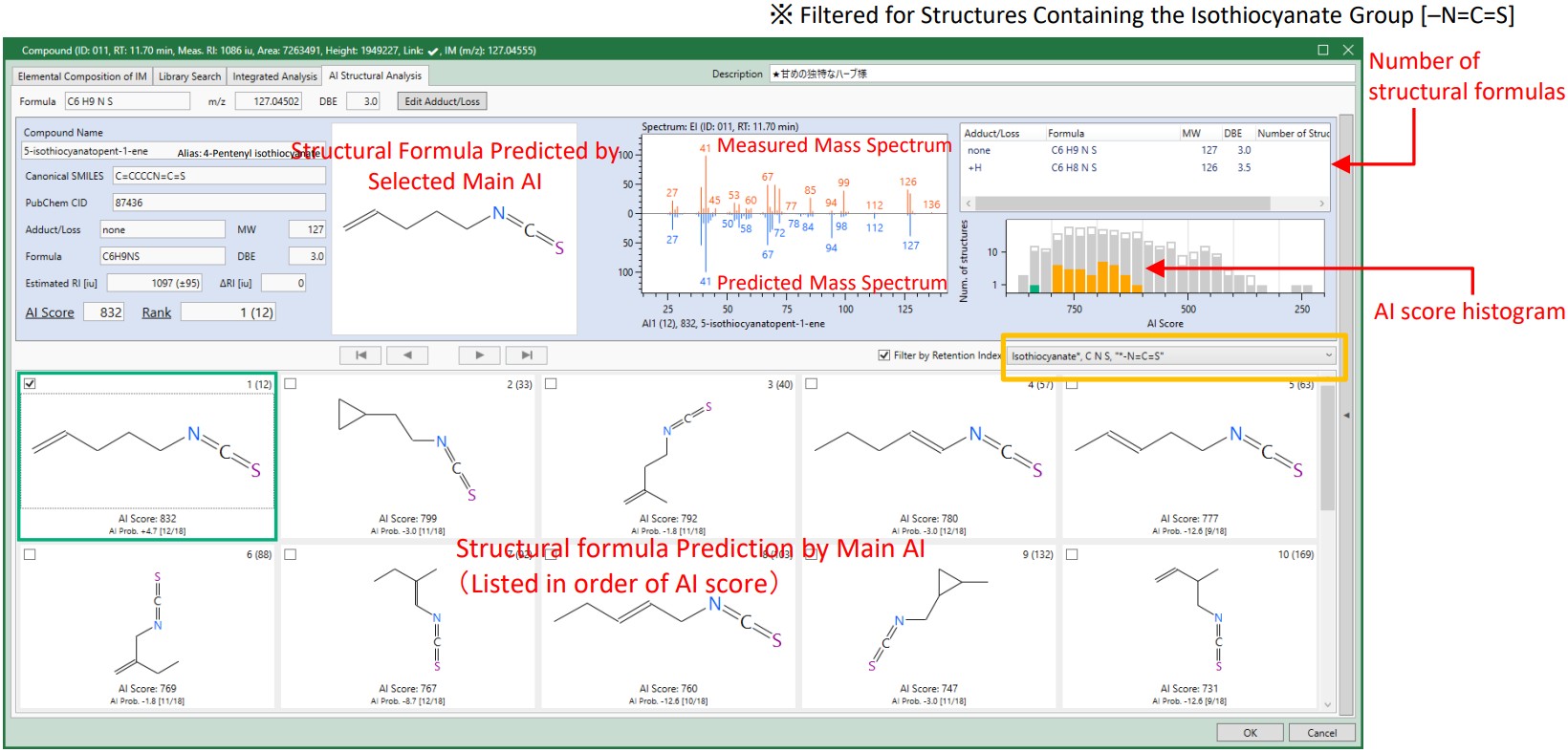
Figure 4 AI structural analysis results window for compound b
Next, the GC-O results are shown (Figure 5). For the four compounds a, b, c, and d, all of which contain an isothiocyanate structure, the following distinctive odors were detected: a: earthy with a hint of onion b: sweet, herb-like c: herb-liked: radish-like.
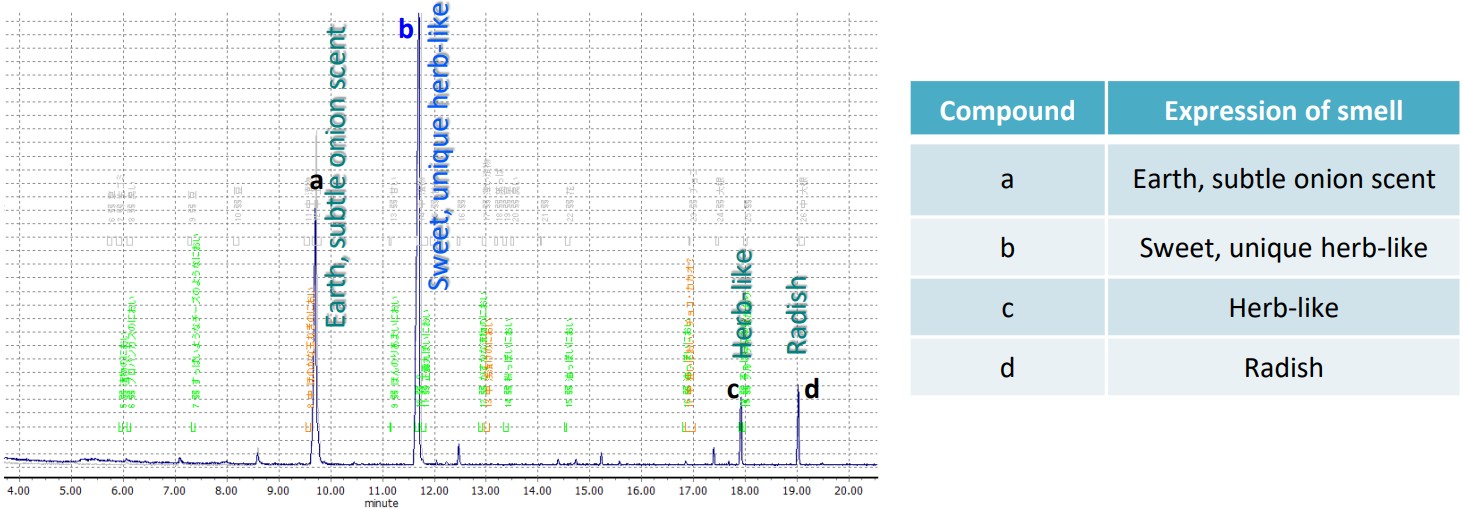
Figure 5 Integration of total ion current chromatogram (TICC) and odor information in GC-O analysis results
Conclusion
In this MSTips, we analyzed the aroma components of pickled Chinese cabbage using GC-O-TOFMS with HS-SPME and msFineAnalysis AI. The analysis confirmed that isothiocyanate compounds, commonly found in Brassicaceae vegetables, were the major components. Furthermore, AI-based structural analysis revealed a compound presumed to be 4-pentenyl isothiocyanate, an unregistered substance in the NIST database that contains an isothiocyanate group. These findings demonstrate that combining GC-O-TOFMS with msFineAnalysis AI enables the structural estimation of aroma components not listed in existing databases. This method can efficiently identify unknown aroma components, thereby deepening our understanding of food aromas and aiding in the discovery of new compounds.
References
1) M. Ubukata et al, Rapid Commun Mass Spectrum. 2020; 34:e8820.
2) A. kubo et al, Mass Spectrometry, 2023, 12, A0120.
Solutions by field
Related products



Are you a medical professional or personnel engaged in medical care?
No
Please be reminded that these pages are not intended to provide the general public with information about the products.